Ginger Herbicide
Introduction to Ginger
| scientific name | Zingiber officinale |
| Family & Genus | Zingiberaceae (Ginger family), Zingiber (Ginger genus) |
| Origin | Southeast Asia (India, southern China, Malay Archipelago) |
| Plant Height | Approximately 0.6–1.2 meters |
| Growing Conditions | Warm and humid, partial shade; optimal temperature 21–32 °C |
| Uses | Culinary spice, medicinal herb, beverages, spice extraction, ornamental plant |
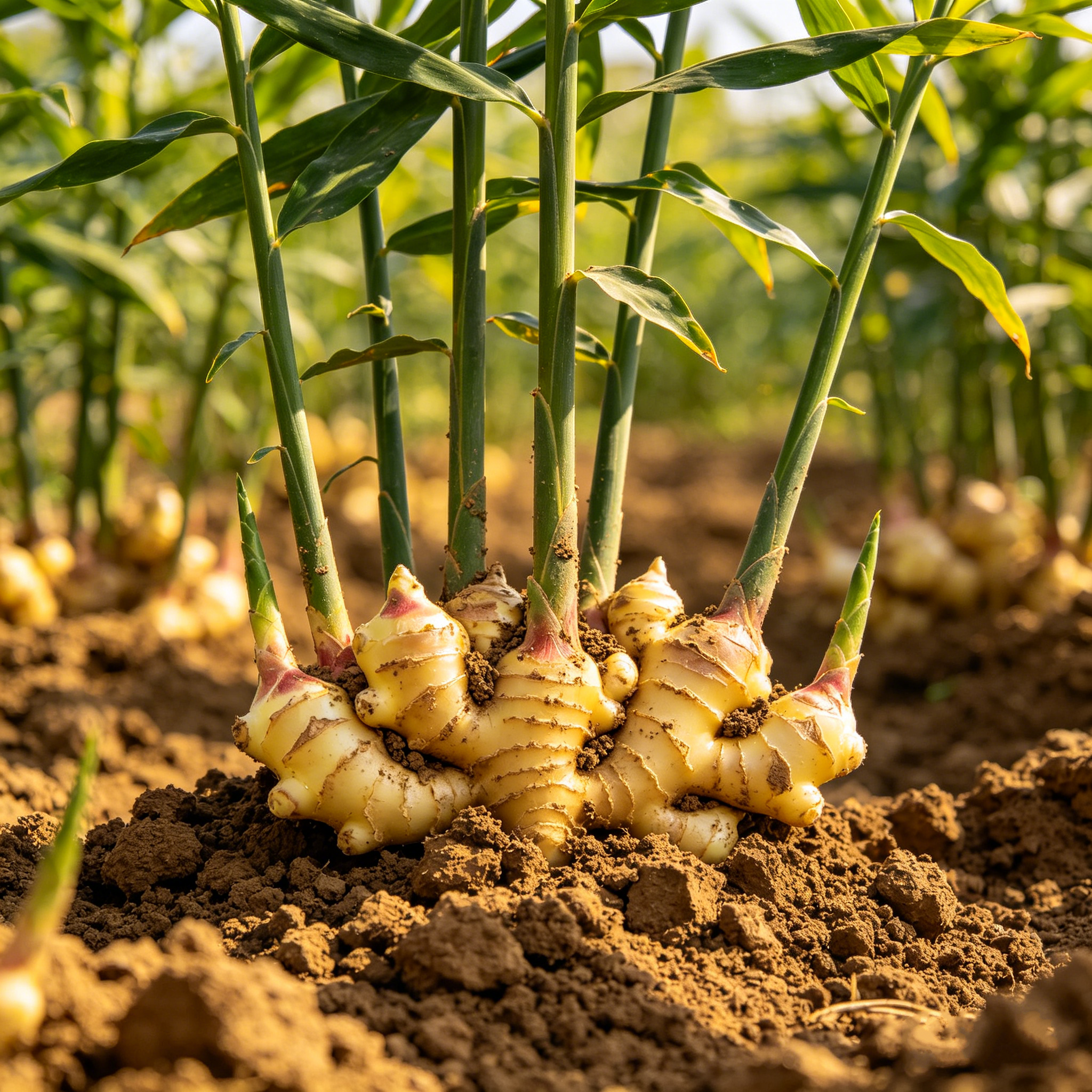
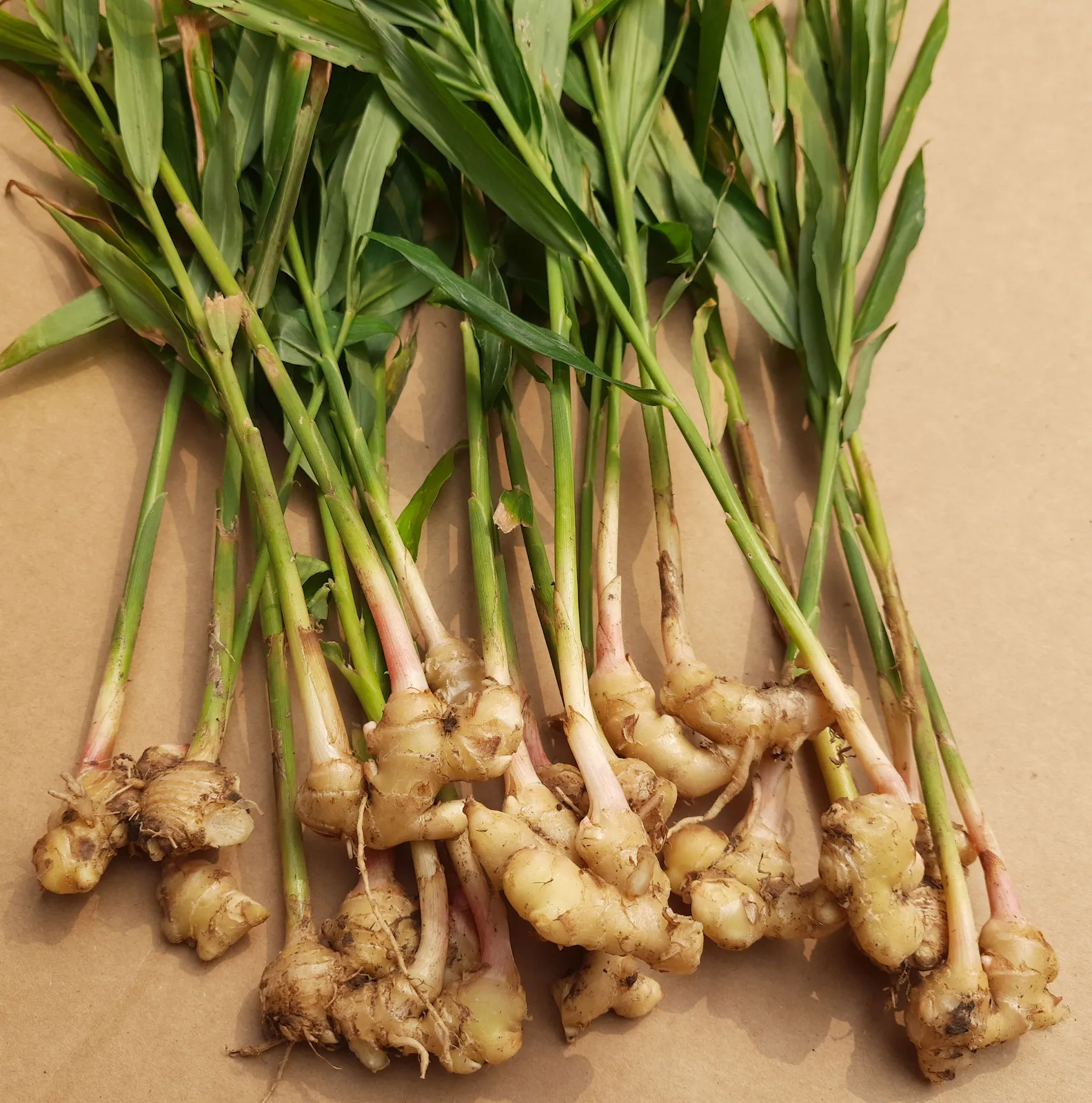
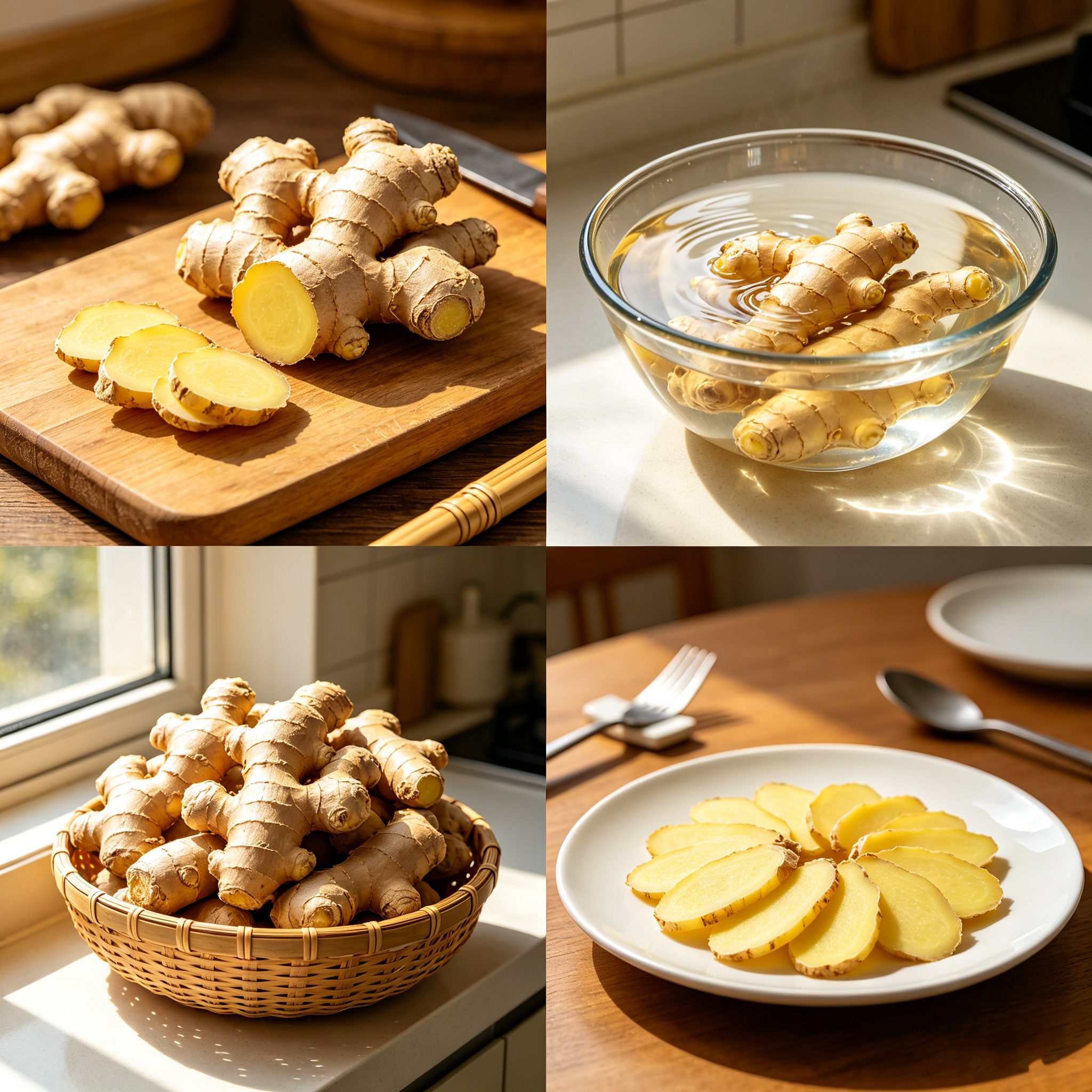
Plant Characteristics:Ginger is a clump-forming herb with branched underground rhizomes, brownish skin, and yellow-white flesh that has a strong pungent aroma. Above ground, it forms a pseudostem wrapped by leaf sheaths, with narrow, opposite leaves. The inflorescence is a conical spike with yellow-green flowers and purple-red striped lips, usually producing few seeds. In cold regions, the aerial parts die back in winter, while the rhizomes sprout again in spring.
Cultivation and Harvest:Ginger reproduces through rhizome division rather than seeds. It prefers loose, organically rich, well-drained, slightly acidic soil (around pH 6.0) and partial shade while avoiding strong direct sunlight. Leaves turn yellow after 8–10 months, signaling harvest, early harvest yields tender “young ginger” with milder flavor.
Preparation Before Sowing
- Seed Selection and Treatment: Select healthy, mature ginger rhizomes free from pests and diseases to serve as seed stock. Cut the rhizomes into seed pieces, ensuring that each piece contains 1–2 buds; then, allow the cut surfaces to dry or disinfect them (e.g., by soaking in diluted bleach or warm water) to prevent disease.
- Soil Improvement: Apply fully decomposed organic fertilizers (such as compost or farmyard manure) to improve soil structure. Adjust the soil pH level as appropriate—using lime or sulfur—based on the results of soil testing.
- Drainage and Field Infrastructure: Construct raised beds or drainage ditches to prevent water accumulation, which can lead to root rot. If the local area is at risk of frost, prepare protective coverings or greenhouse facilities.
- Pest and Disease Prevention: Clear the field of crop residues to reduce pathogen sources. Prepare pre-emergence herbicides and base fertilizers suitable for ginger cultivation in advance to establish a solid foundation for plant growth.
Ginger Herbicide
| Weed Control Stage | Application Time | Active Ingredient | Target Weeds | Features / Precautions |
| pre-emergence herbicide for ginger | After sowing, before ginger emergence | Pendimethalin | Annual grassy weeds (e.g., barnyard grass, crabgrass) | Long residual effect; relatively safe for ginger |
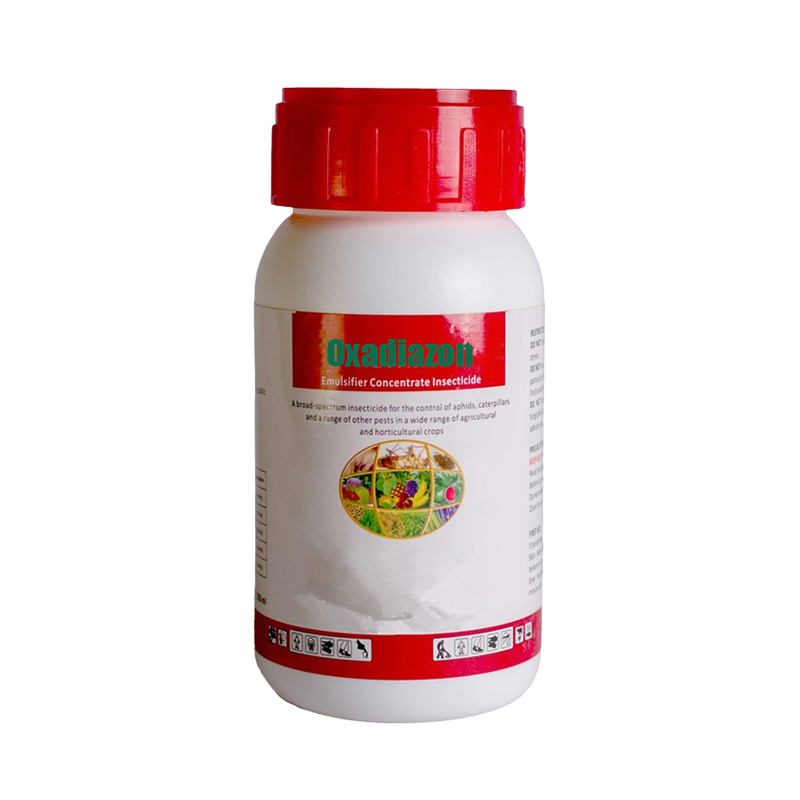
| Oxadiazon | Broadleaf weeds and some grassy weeds | Good soil residual activity; must be applied evenly | ||
| Metolachlor | Grassy weeds | Highly effective; often used in combination with other herbicides | ||
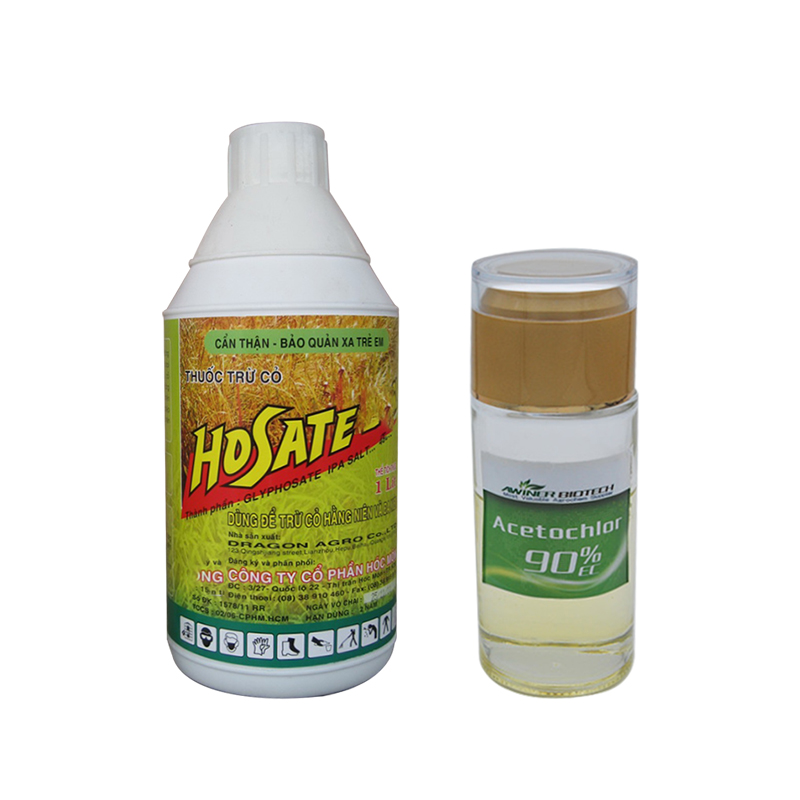
Acetochlor | Broad-spectrum weeds | Wide weed control spectrum; dosage must be controlled to avoid inhibiting ginger shoots | ||
| post-emergence herbicide for ginger | After ginger emergence | Quizalofop-P-ethyl | Grassy weeds | Selective for grasses; relatively safe for ginger |
| Fluazifop-P-butyl | Foxtail, barnyard grass, and other grasses | Suitable for mid-to-late growth; avoid contact with ginger seedlings |
Pre-emergence weed control in ginger is applied immediately after sowing and before the seedlings emerge. This stage focuses on suppressing weed seeds in the soil to ensure a clean field for ginger growth. Farmers should pay attention to soil moisture, uniform application, and avoid high temperatures or direct sunlight. The main target weeds are annual grasses and small-seeded broadleaf weeds, and the recommended herbicides include Pendimethalin, Oxadiazon, Metolachlor, and Acetochlor. These herbicides provide long residual activity, broad-spectrum control, and are generally safe for ginger seedlings when applied correctly.
Common Pre-emergence Herbicide Mixtures:
- Pendimethalin + Oxadiazon
- Metolachlor + Oxadiazon
- Acetochlor + Oxadiazon
- Pendimethalin + Metolachlor
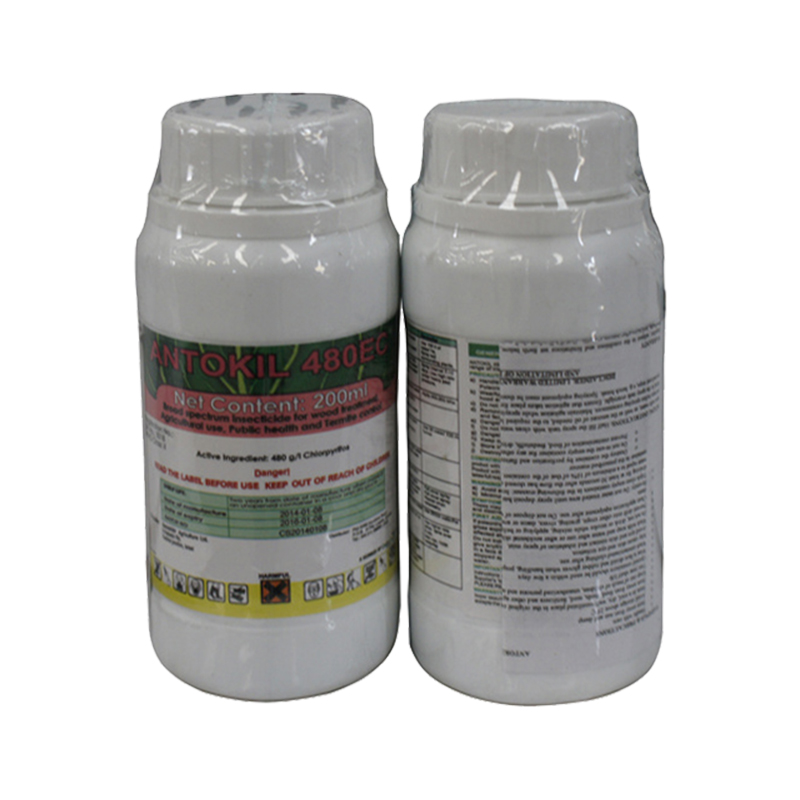
Post-emergence weed control is applied after ginger seedlings have emerged, usually at the 3–5 leaf stage, to manage weeds that escaped pre-emergence treatment. This stage requires caution to protect the crop, focusing mainly on controlling grassy weeds such as foxtail and barnyard grass. We should avoid spraying directly on ginger leaves and apply herbicides under mild conditions. Farmers should apply selective post-emergence herbicides, such as Quizalofop-P-ethyl and Fluazifop-P-butyl, and combine them with manual or localized weeding to achieve maximum effectiveness.
Farmers rarely use post-emergence combination regimens for ginger because the crop is highly susceptible to phytotoxicity at this stage. Such combinations pose substantial risks, provide little practical benefit, and significantly increase the chance of adverse effects. Therefore, using single-agent treatments offers a safer approach.
Effective weed control is essential for successful ginger cultivation, especially during the early growth stages. By combining pre-emergence herbicide mixtures with selective post-emergence solutions, farmers can achieve comprehensive weed management, protect crop safety, and improve overall yield and quality. Choosing the right herbicide strategy not only reduces labor costs but also ensures long-term field productivity.