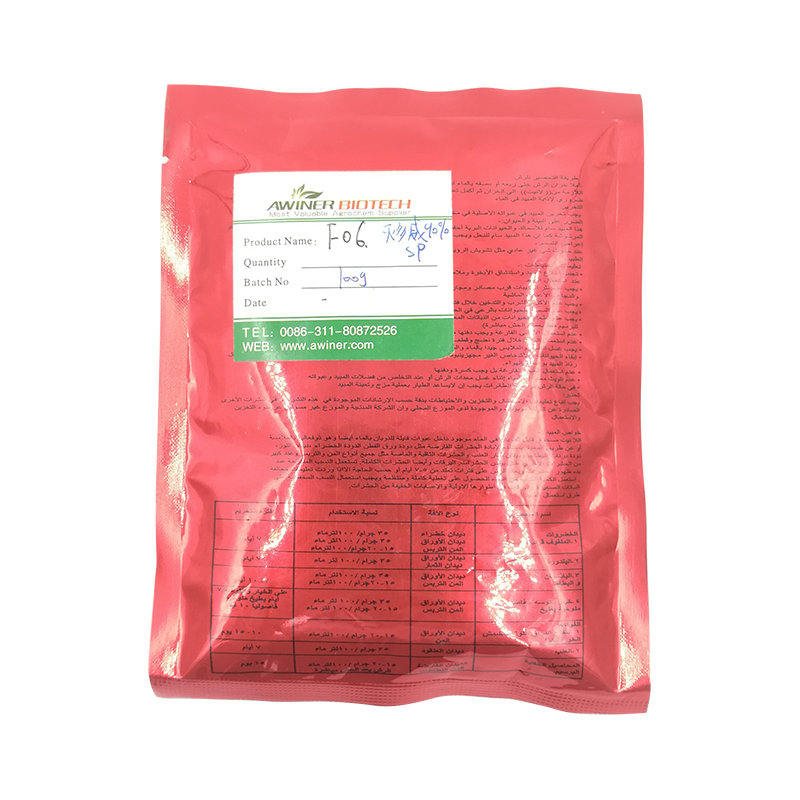
Methomyl |
|
| Dosage form | 20%EC,40%SP,60%SP,90%SP |
| Packing | Liquid:50ml、100ml、250ml、500ml、1L、5L、10L、20L Solid:10g、50g、100g、250g、500g、1kg、5kg、10kg、25kg |
| Formulation+Label | Customized |
| Sample | Yes |
| Crop-Pest | 1. Lepidopteran pests: cabbage worm, diamondback moth, codling moth, cotton bollworm, tobacco budworm, armyworm, etc. 2. Hemipteran pests: effective against aphids, leafhoppers, planthoppers, etc. 3. Coleopteran pests: can control flea beetles, weevils, etc. 4. Other pests: also effective against thrips, bean pod borer, melon worm, etc. |
| Certification | SGS、 ISO 、BV |
| Delivery time | 20-30 days |
| Mixture products | |
| Payment terms |  |
methomyl’s rapid pest-killing principle, short residual period, mixing taboos and flexible application scenarios for efficient and compliant crop pest management.
Effective Pest Control of Methomyl:
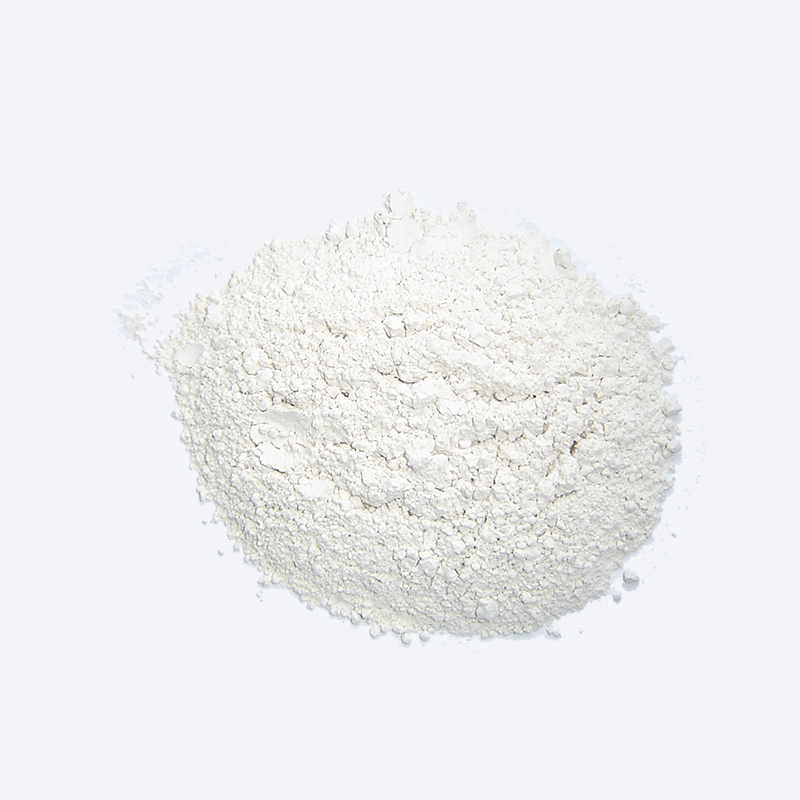
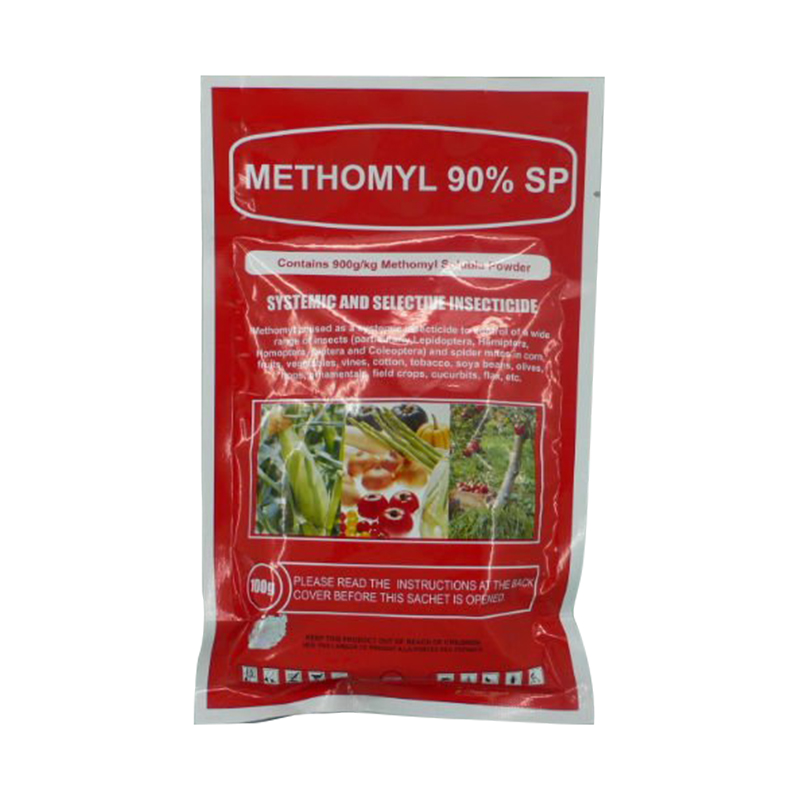
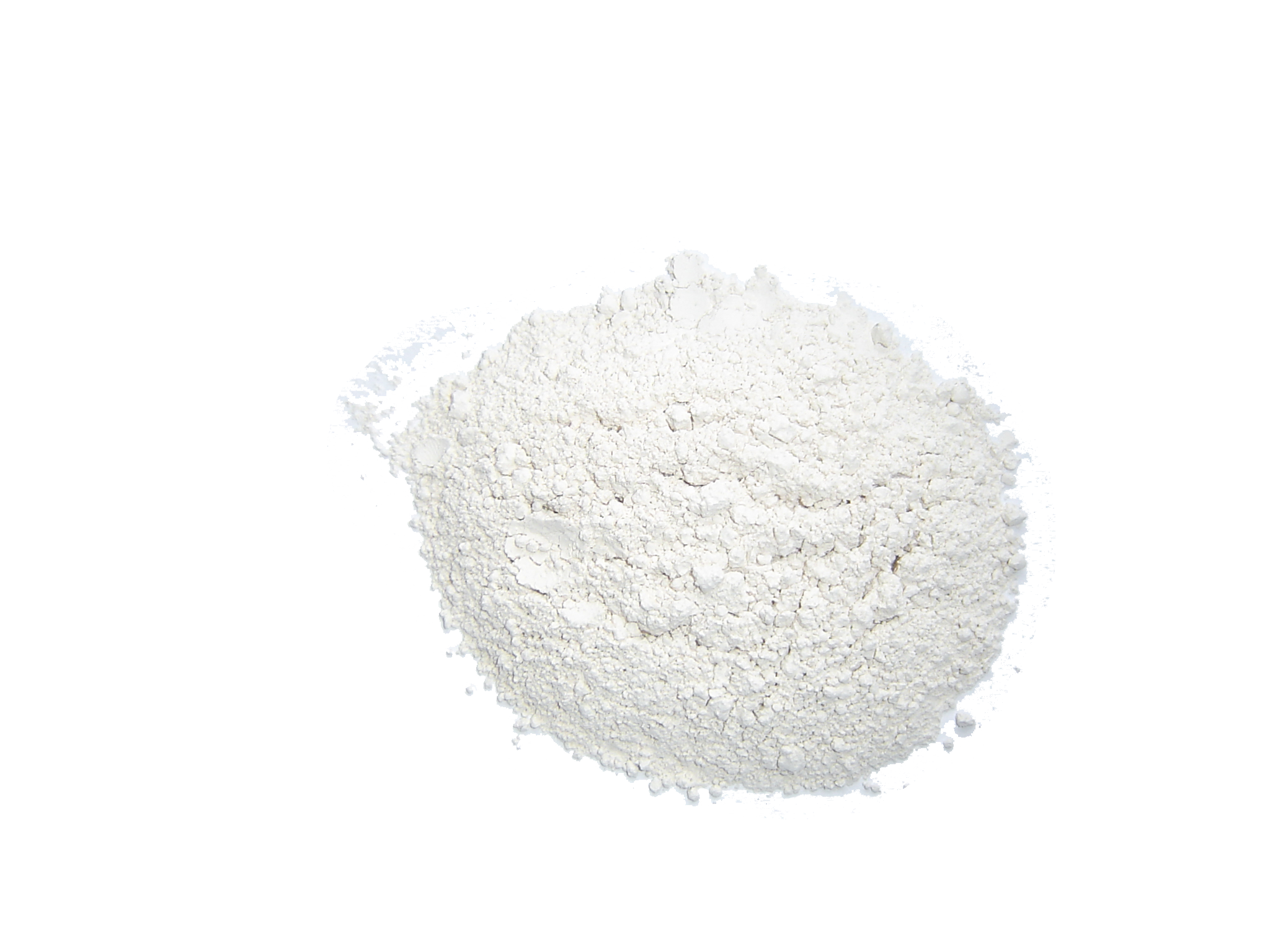
Methomyl, in its pure form, is a white crystalline powder. Commercial formulations include wettable powders, soluble powders, and emulsifiable concentrates. It is primarily used for the control of cotton aphids (Aphis gossypii), armyworms (Spodoptera litura), and other pests.
Methomyl Mode of Action:
Methomyl is a carbamate insecticide whose core mechanism of action is to inhibit the breakdown of related enzymes in the body, leading to continuous overstimulation of the nervous system, ultimately causing paralysis and death in pests.
Residual Effectiveness:
Methomyl has a short residual effect and is classified as a short-acting insecticide. Under normal field conditions, its effective insecticidal activity usually lasts for 2 to 5 days.
This characteristic is mainly determined by two factors:
1.Its inhibition of relevant enzymes is reversible, unlike organophosphate insecticides which form stable, irreversible bonds with enzymes. The efficacy gradually decreases as the pesticide is metabolized.
2.Methomyl is highly water-soluble and relatively chemically unstable.Soil microorganisms readily degrade it, and sunlight, high temperatures, rainfall, and other environmental factors also break it down rapidly—this means it cannot persist on crop surfaces or in soil for long periods.
Because of its short residual effect, Methomyl is more suitable for controlling outbreaks of sudden pest infestations, but intermittent re-spraying is necessary to ensure effective control; at the same time, the shorter residual period also means a shorter safety interval before crop harvesting, resulting in a lower risk of pesticide residues in agricultural products.
 |
|
|
|
Safety and Compatibility:
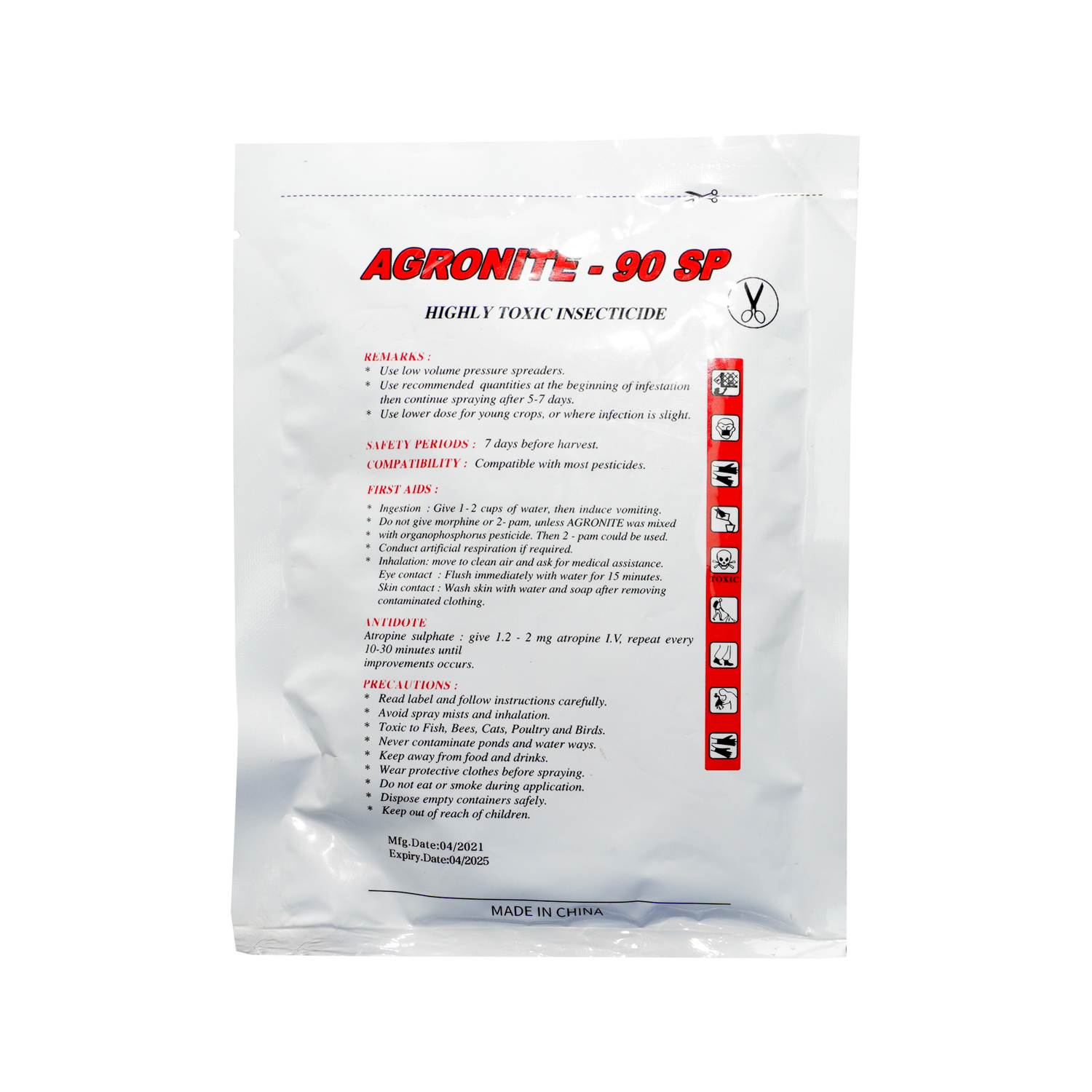
Methomyl poses a poisoning risk to humans and animals through skin contact, inhalation, and ingestion. Symptoms include salivation and muscle tremors, and in severe cases, it can be life-threatening. It is also highly toxic to fish, bees, and silkworms, thus should be kept away from fish ponds, apiaries, and mulberry orchards. On the positive side, however, it has a short residual period; as a result, under compliant use, the risk of pesticide residue in agricultural products is low, and likewise, its long-term impact on soil is minimal. When it comes to compatibility, Methomyl can mix with most pyrethroid insecticides and some fungicides under neutral or weakly acidic conditions, but we must strictly avoid mixing it with alkaline pesticides or strong oxidizing pesticides. Therefore, we should conduct a small-scale phytotoxicity test before mixing, and in addition, we need to prepare and use the mixture immediately.
Application Flexibility:
Methomyl offers excellent application flexibility, primarily in three aspects: target pests, application methods, and applicable scenarios:
1. Broad spectrum of target pests
As an insecticide with both contact and stomach poison effects, it is therefore effective against various chewing and sucking insects from orders such as Lepidoptera, Coleoptera, and Homoptera—for instance, cabbage worms, aphids, bollworms, and flea beetles. In turn, this broad-spectrum activity allows it to be used for pest control in various crops, including vegetables, fruit trees, and cotton.
2. Diverse application methods
We can formulate it into various forms such as emulsifiable concentrates, wettable powders, and water-dispersible granules, and spray these formulations directly onto the crop surface; we can also make it into granules for broadcasting to control soil-borne pests, so it adapts to different crop planting patterns and pest locations.
3. Adaptable to different pest situations
It acts fast, so it can quickly control outbreak and sudden pest infestations. Meanwhile, we can mix it with most neutral and weakly acidic pesticides (we need to conduct a phytotoxicity test beforehand). When multiple pests occur simultaneously, we can flexibly combine it with other pesticides to broaden the control spectrum and improve comprehensive control effectiveness.
However, it should be noted that Methomyl has a short residual effect and requires repeated applications at intervals depending on the pest situation. Due to its high toxicity, it is crucial to strictly follow registered crop and safe use guidelines and not arbitrarily expand its scope of use.
<About Awiner Biotech>