Compound Sodium Nitrophenolate and DA-6
Compound Sodium Nitrophenolate and DA-6 Diethyl Aminoethyl Hexanoate are two of the most commonly used plant growth regulators on the market. Although they appear to have similar functions, their core characteristics and application scenarios differ significantly. Choosing the right one can greatly enhance crop performance, while an improper choice may delay growth or reduce effectiveness. Today, Awiner will clearly explain the differences between these two regulators, helping you understand how to choose the right product and when to use it for the best results.
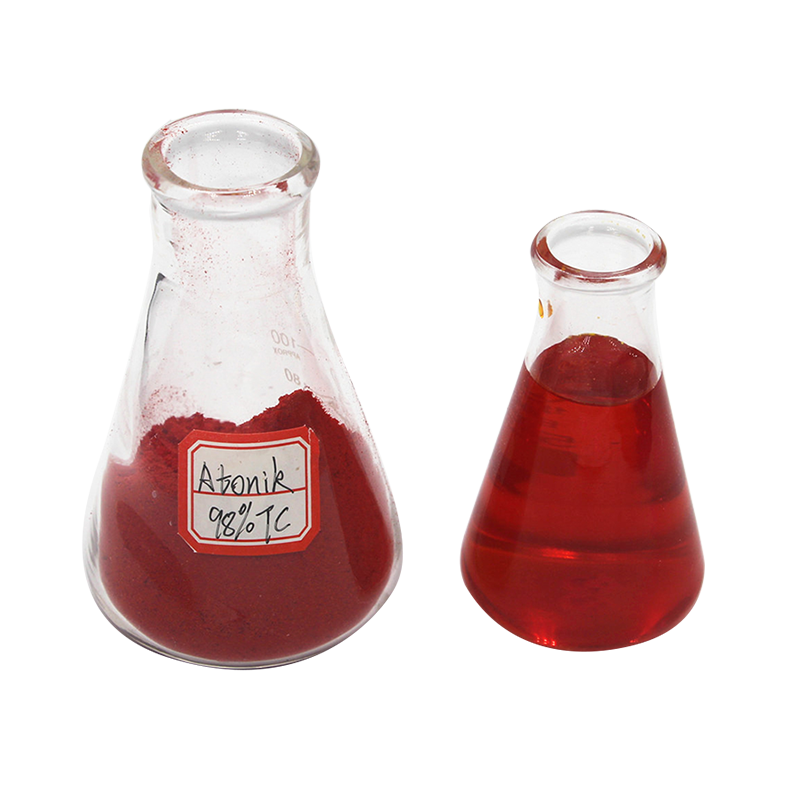
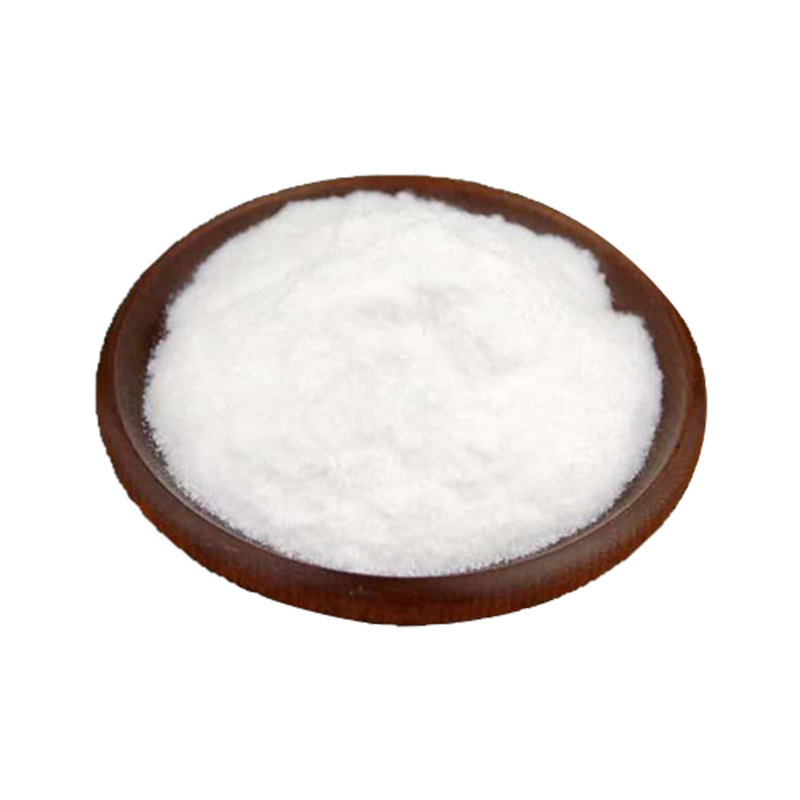
1.Features
To make the right choice, you must first understand the fundamental differences. Compound Sodium Nitrophenolate and DA-6 Diethyl Aminoethyl Hexanoate differ in their mechanisms of action, activity strength, and duration of effect, which are key factors in making the right selection.
| Comparison Dimension | Compound Sodium Nitrophenolate | DA-6 Diethyl Aminoethyl Hexanoate |
| Core Characteristics | High activity, rapid onset, classified as a “rapid-acting” plant growth regulator | Mild activity, long-lasting effect, classified as a “long-acting & steady” plant growth regulator |
| Mechanism of Action | Directly stimulates cell division and elongation, rapidly awakening crop vitality | Indirectly promotes growth by regulating the balance of endogenous hormones in plants, with low risk of phytotoxicity |
| Applicable Temperature | Effective only above 15℃,activity increases with higher temperatures | Effective even at low temperatures, suitable for 8-35℃, with superior stress resistance |
| Safety | Excessively high concentrations can cause crop elongation, flower and fruit drop, requiring strict dosage control | High safety, wide concentration range, low risk of phytotoxicity, suitable for long-term use |
2.How to choose
Understanding the core differences, and then considering real-world planting scenarios, allows for precise matching. There are four main common situations:
- For “rapid seedling recovery and revitalization,” choose Compound Sodium Nitrophenolate
Compound Sodium Nitrophenolate is ideal for helping crops recover quickly after transplanting, frost, waterlogging, or fertilizer stress. Its fast-acting effect stimulates cell activity, promotes root growth, and speeds up greening. When used on crops like tomatoes or peppers, visible recovery can be seen within 3–5 days. Use strictly according to the recommended dosage to avoid excessive vegetative growth. - For “stable growth and improved quality, and long-term conditioning,” choose DA-6 Diethyl Aminoethyl Hexanoate
DA-6 Diethyl Aminoethyl Hexanoate is suitable for steady, long-term crop management, especially during fruit expansion or growth regulation stages. It gently balances plant hormones, improves nutrient distribution, and helps increase yield, fruit size, color, and quality. For example, applying DA-6 during apple fruit expansion promotes uniform size and better sweetness. - For planting in low-temperature environments, DA-6 Diethyl Aminoethyl Hexanoate is the preferred choice
At low temperatures (below 15 °C), Compound Sodium Nitrophenolate becomes less effective. In early spring or winter greenhouse production, DA-6 is a better choice, as it works well above 8 °C and helps crops resist cold stress, improve flower differentiation, and increase fruit set. For example, applying DA-6 to greenhouse strawberries in winter can reduce deformed fruits and improve fruiting rate. - Worried about pesticide damage or new to farming? Choose DA-6 Diethyl Aminoethyl Hexanoate
For beginners or high-value crops, DA-6 is the safer choice because it has a wide safety margin and is less likely to cause damage even if slightly overdosed. In contrast, Compound Sodium Nitrophenolate is more concentration-sensitive, so new users should test it on a small scale before full application.
3.Precautions
- Both can be mixed with pesticides and fertilizers (except for strong acids and bases), improving pesticide efficacy and promoting fertilizer absorption. However, they should be prepared and used immediately and not stored for extended periods.
- Do not blindly rely on plant growth regulators. The core of crop growth remains water and fertilizer management and field maintenance. Regulators are merely “auxiliary tools,” and their optimal effects can only be achieved through rational use.