Tomato blossom end rot
Sometimes, tomato fruits develop a black, soft spot at the bottom, resembling a “rotten bottom.” What causes this problem?
In most cases, this is neither a bacterial infection nor a pest infestation, it’s simply a physiological problem. Don’t worry, this blossom-end rot is not contagious to other unaffected fruits.
Simply put, this problem occurs when tomatoes are deficient in calcium, and it usually appears on the first or second cluster of fruits. Fruits on the same flower cluster generally develop the problem simultaneously.
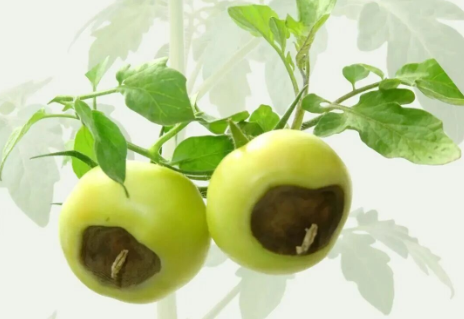
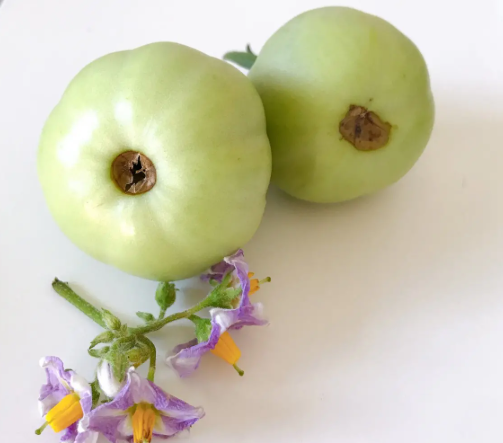
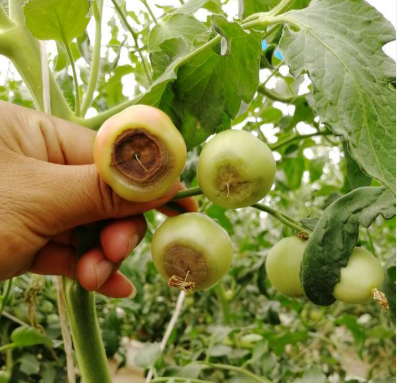
How to accurately identify if your tomatoes have blossom end rot?
- Fixed location: The symptoms only appear at the bottom (blossom end) of the fruit, and not in other locations, especially not affecting the leaves.
- Early symptoms: Light yellow or green water-soaked spots appear at the fruit’s base and feel slightly soft.
- Mid-stage symptoms: The spots grow larger, gradually forming dark brown depressions, and showing signs of shrinkage.
- Late-stage symptoms: The affected area becomes hard and dry, and in severe cases, it can affect half of the bottom of the fruit.
The main causes of tomato blossom end rot
Blossom end rot results from calcium deficiency in the fruit, often caused by improper management practices.
- Improper watering: Irregular watering, with the soil fluctuating between dry and wet, prevents the tomato roots from stably and normally absorbing calcium, leading to calcium deficiency.
- Calcium deficiency in the soil: Low nutrient levels, soil aging, or excessive soil acidity can also reduce the tomato plant’s ability to absorb calcium.
- Root damage:Small pots, compacted soil, or waterlogging damage the plant’s roots, reduce nutrient uptake, and prevent calcium from being properly transported to the fruit.
- Excessive nitrogen fertilizer: Excess nitrogen applied during fruiting promotes vegetative growth, diverts nutrients from the fruit, and leads to calcium deficiency. At the same time, excessive ammonium ions can also inhibit the absorption of calcium ions by the roots.
How to remedy blossom end rot that has already occurred
- Immediate removal: Tomato fruits that have already developed blossom end rot are irreversible and should be removed promptly to prevent nutrient depletion.
- Stable watering: Keep the soil moist and maintain consistent watering, avoiding drastic changes in humidity. Do not let the soil dry out completely one day and then become waterlogged the next.
- Foliar calcium application: Spray calcium fertilizer on the leaves (e.g., 0.3–0.5% calcium chloride solution) once a week for 2–3 consecutive weeks, focusing on the fruits and leaves. It’s best to spray in the morning or evening, avoiding strong sunlight to prevent leaf burn.
- Increase calcium fertilization: Add calcium and magnesium fertilizer to the potting soil.
- Balanced fertilization: From the fruiting stage onwards, do not only apply fertilizers that promote branch and leaf growth; balanced fertilization is necessary. For simplicity, you can use “tomato-specific fertilizer.” Simultaneously, adjust the soil pH to maintain a slightly acidic level (6.5–6.8), avoiding excessive acidity.
- Root environment: Repot into a larger container, mixing in some perlite and expanded clay to ensure loose and well-aerated soil, improving the root growth environment.