Pyroxasulfone |
|
| Dosage form | Pyroxasulfone 97%TC 40%SC 85%WDG |
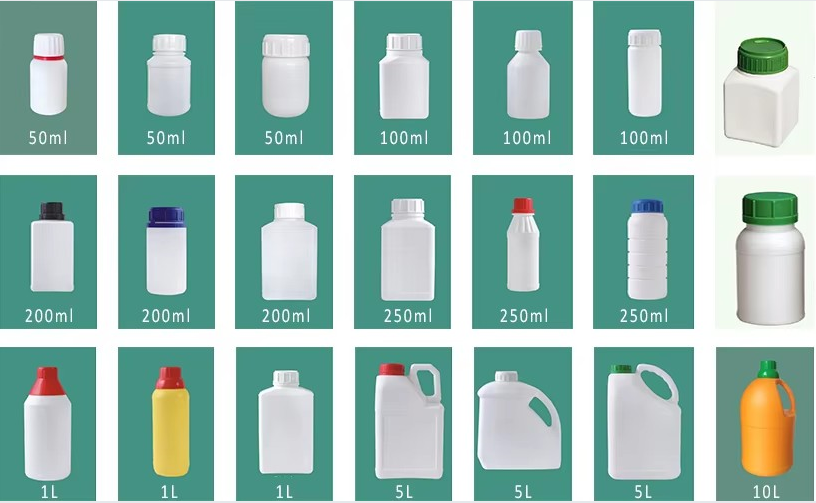
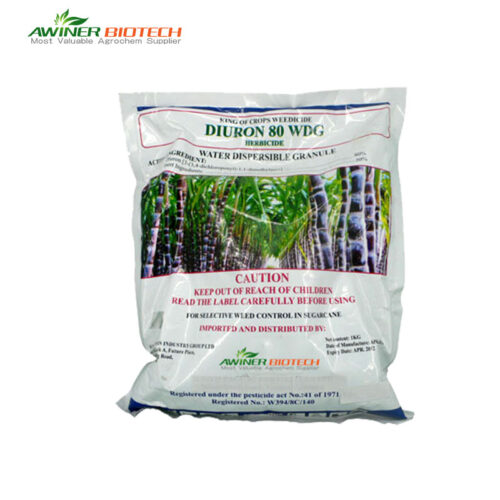
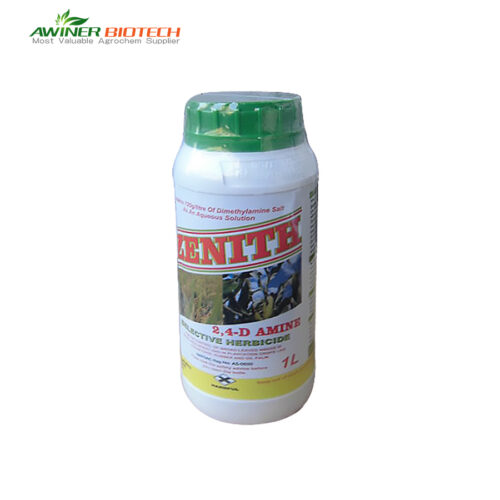
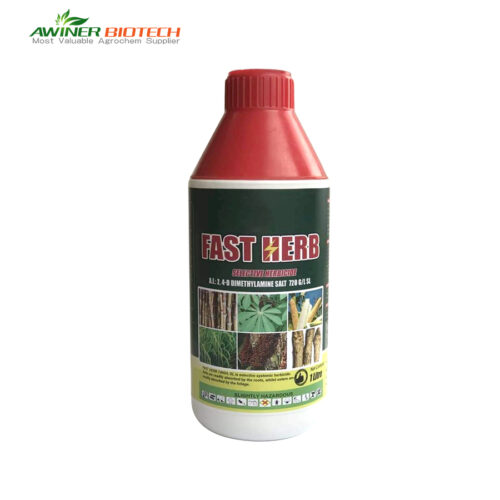
| Packing | Liquid:50ml、100ml、250ml、500ml、1L、5L、10L、20L Solid:10g、50g、100g、250g、500g、1kg、5kg、10kg、25kg |
| Formulation+Label | Customized |
| Sample | Yes |
| Pest Control | Pyroxasulfone controls a wide range of annual grass weeds and some small-seeded broadleaf weeds, including foxtail, crabgrass, and annual bluegrass. |
| Certification | SGS、 ISO 、BV |
| Delivery time | 20-30 days |
| Applicable Crops |
Pyroxasulfone is suitable for use in crops such as maize, soybean, wheat, cotton, and some vegetable crops.
|
| Payment terms |  |
Pyroxasulfone is a pre-emergence herbicide that provides long-lasting control of annual grass weeds and some broadleaf weeds, with low use rates and a novel mode of action for resistance management in crops like maize, soybean, and wheat.
Pyroxasulfone 97%TC 40%SC 85%WDG
Mode of action
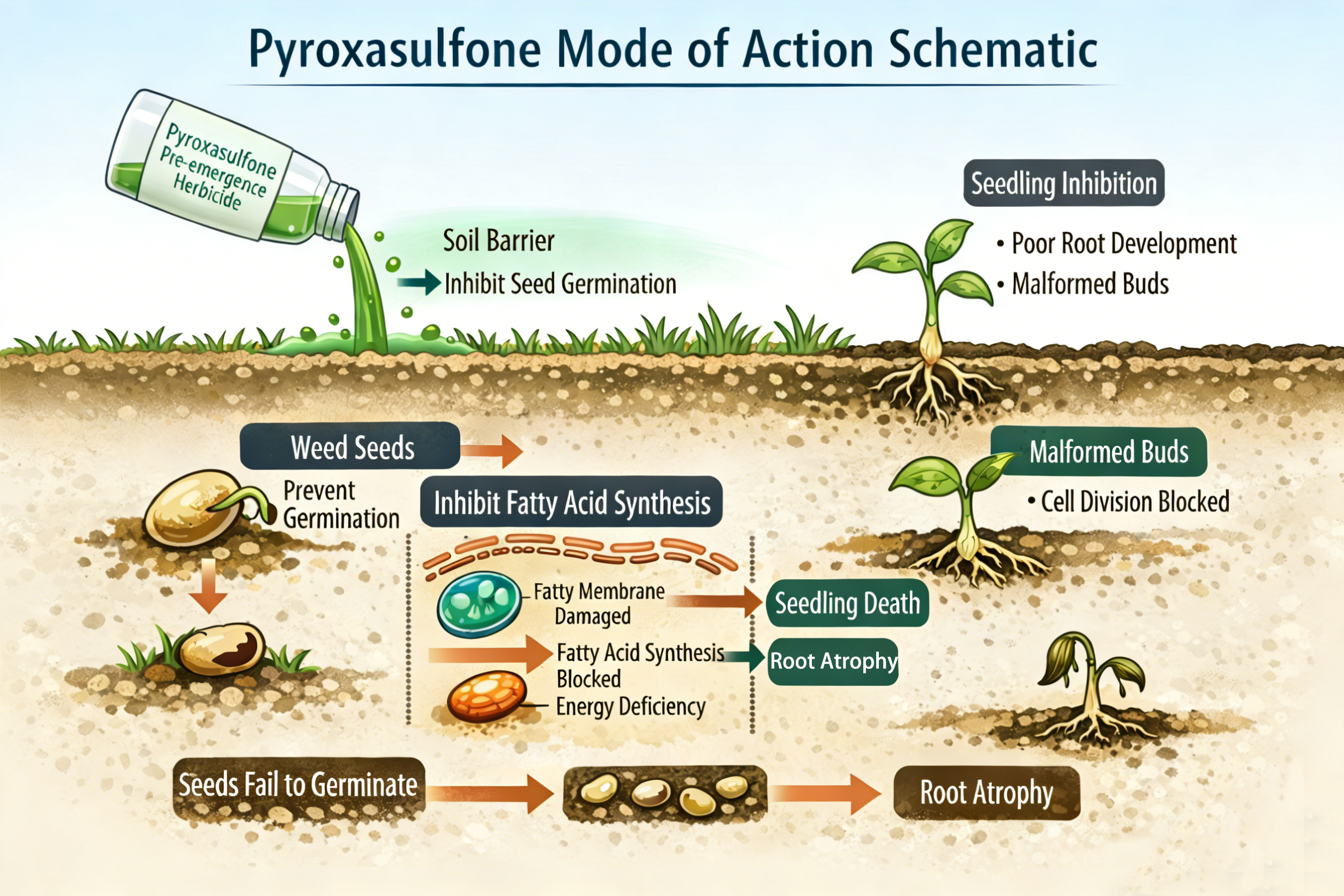
Pyroxasulfone is a selective pre-emergence herbicide, its mechanism of action primarily involves inhibiting weed seed germination and early seedling growth. The specific mechanisms are as follows:
1. Inhibition of Fatty Acid Synthesis: Upon entering weed seeds or seedlings, Pyroxasulfone interferes with the biosynthesis of fatty acids. This disrupts the formation of cell membranes and energy reserves, thereby preventing seedlings from developing normally.
2. Disruption of Cell Division and Elongation: Due to a deficiency in fatty acids and other critical metabolites, cell division and elongation are inhibited; this impedes the development of weed roots and shoots, ultimately leading to seedling death.
3. Pre-emergence Barrier Effect: Pyroxasulfone exhibits a certain residual activity in the soil, forming a protective barrier prior to weed seed germination that effectively prevents seeds from successfully sprouting.
In summary, Pyroxasulfone is a novel type of pre-emergence herbicide that achieves weed control by disrupting key plant metabolic pathways, thereby arresting the early growth of weeds.
Product Advantages
1. Potent, Broad-Spectrum Herbicidal Efficacy: Provides effective control against a wide range of annual grass weeds and select broadleaf weeds.
2. Extended Residual Activity: Exhibits excellent stability within the soil, typically providing 6–8 weeks or even longer of weed control, this reduces the need for repeated applications and lowers labor costs.
3. High Activity at Low Application Rates:Compared to traditional pre-emergence herbicides, it requires a significantly lower amount of active ingredient (typically in the range of tens of grams per hectare), yet maintains high biological activity, resulting in a more competitive cost per unit area.
4. Excellent Crop Safety:When applied at recommended dosages, it is safe for use on a wide variety of crops, exerts minimal impact on crop emergence, and demonstrates high selectivity.
5. Broad Soil Adaptability: Performs consistently across various soil types (including sandy soils, loams, etc.), is minimally affected by soil pH, and maintains stable efficacy under conditions of adequate rainfall or irrigation.
Suitable crops
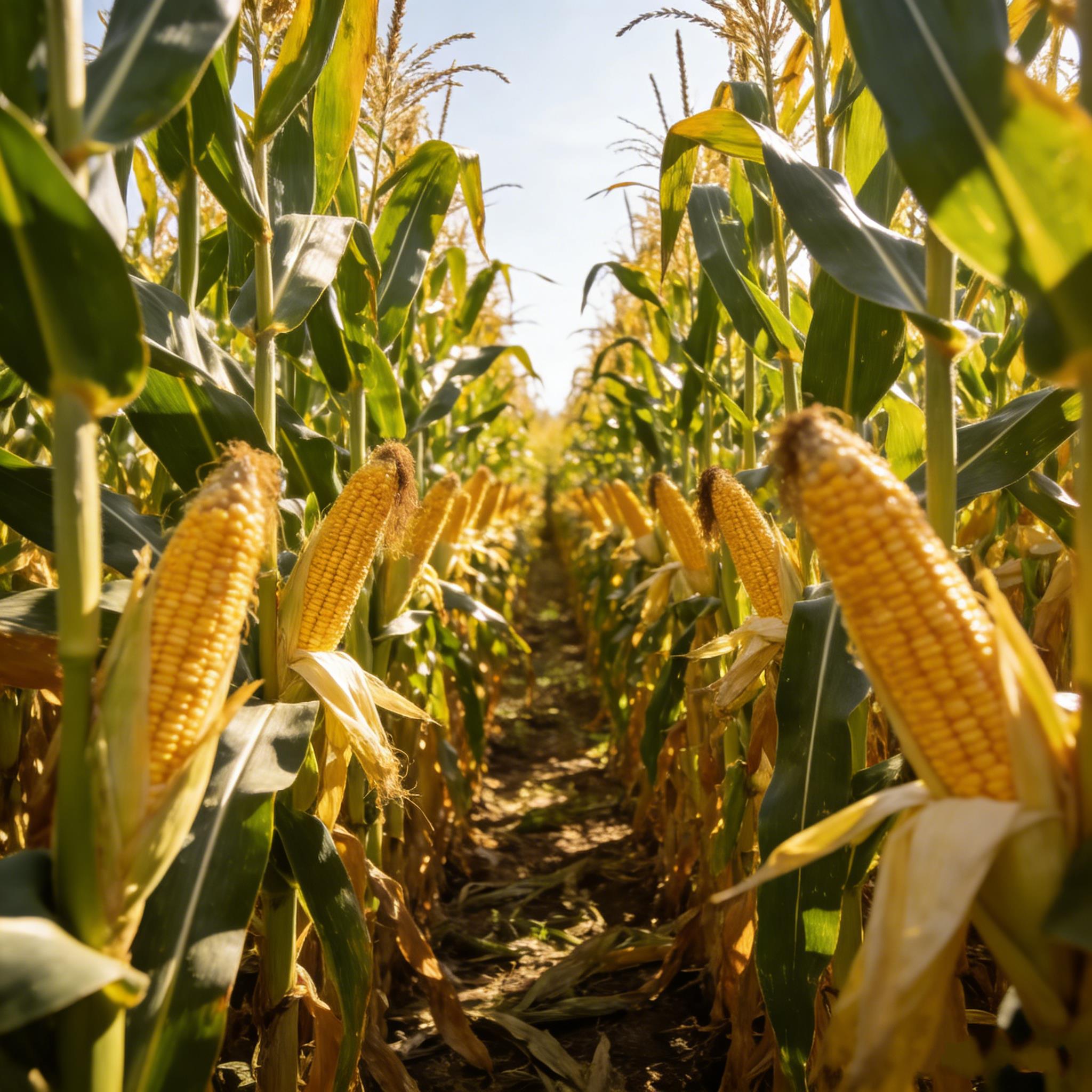
Pyroxasulfone is a selective pre-emergence herbicide widely utilized in major field crops to control both grassy and certain broadleaf weeds. It is commonly applied in maize, wheat, soybeans, and rice—particularly in dry-seeded rice cultivation systems in specific regions. Furthermore, it is used in cash crops such as cotton and canola; in certain countries, the product has also been registered for use in crops like sugarcane and sunflowers, demonstrating excellent crop safety and a prolonged residual activity.



Target Weeds
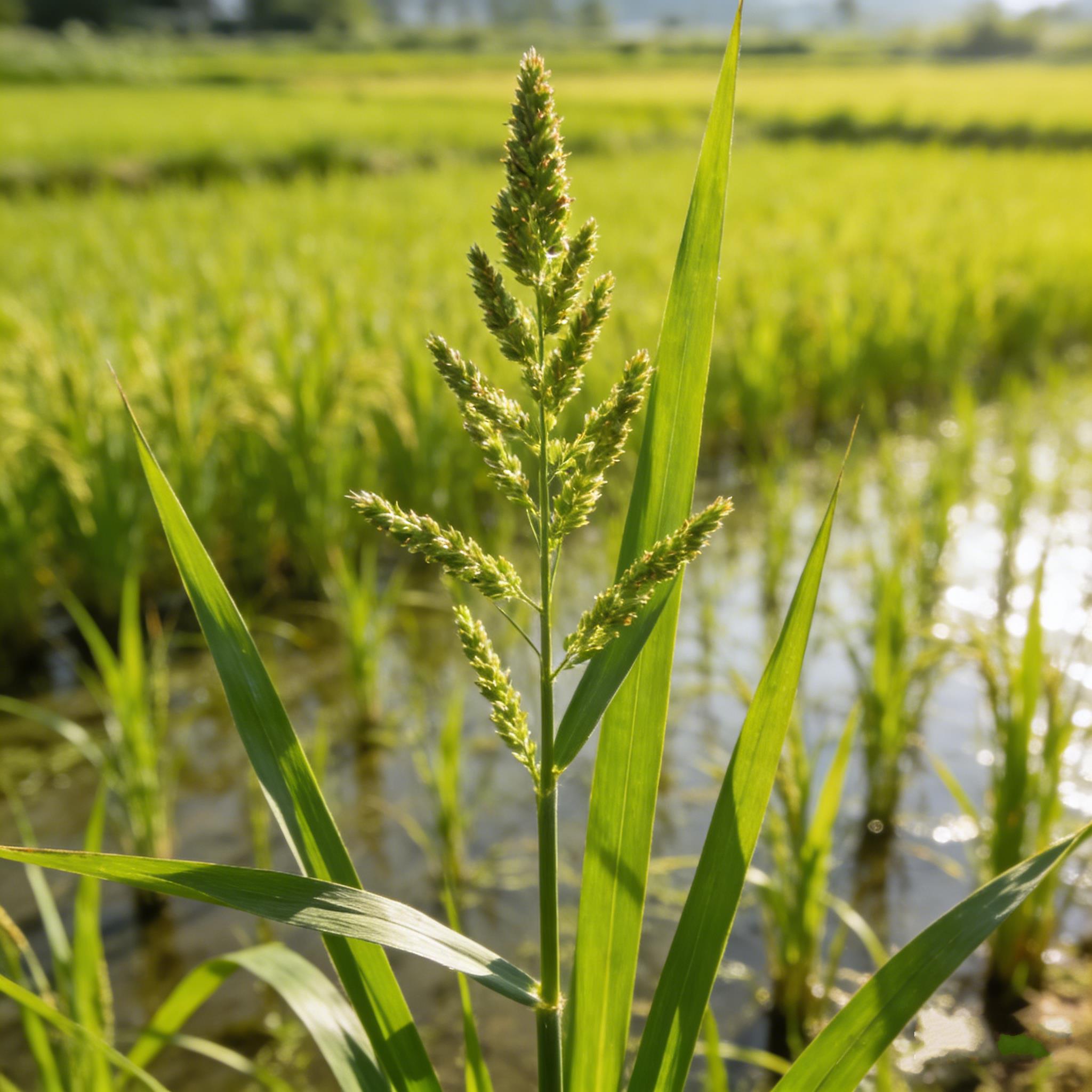
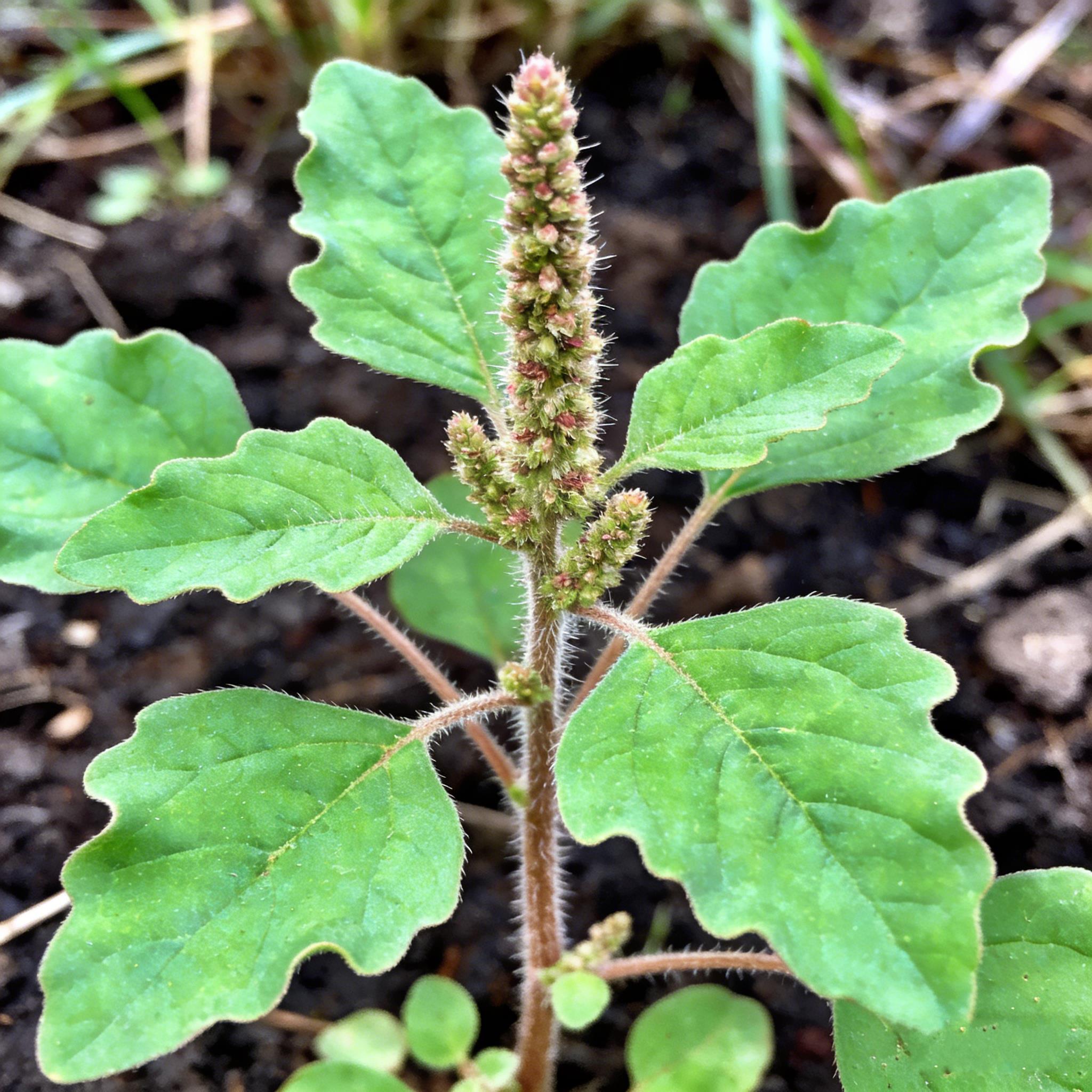
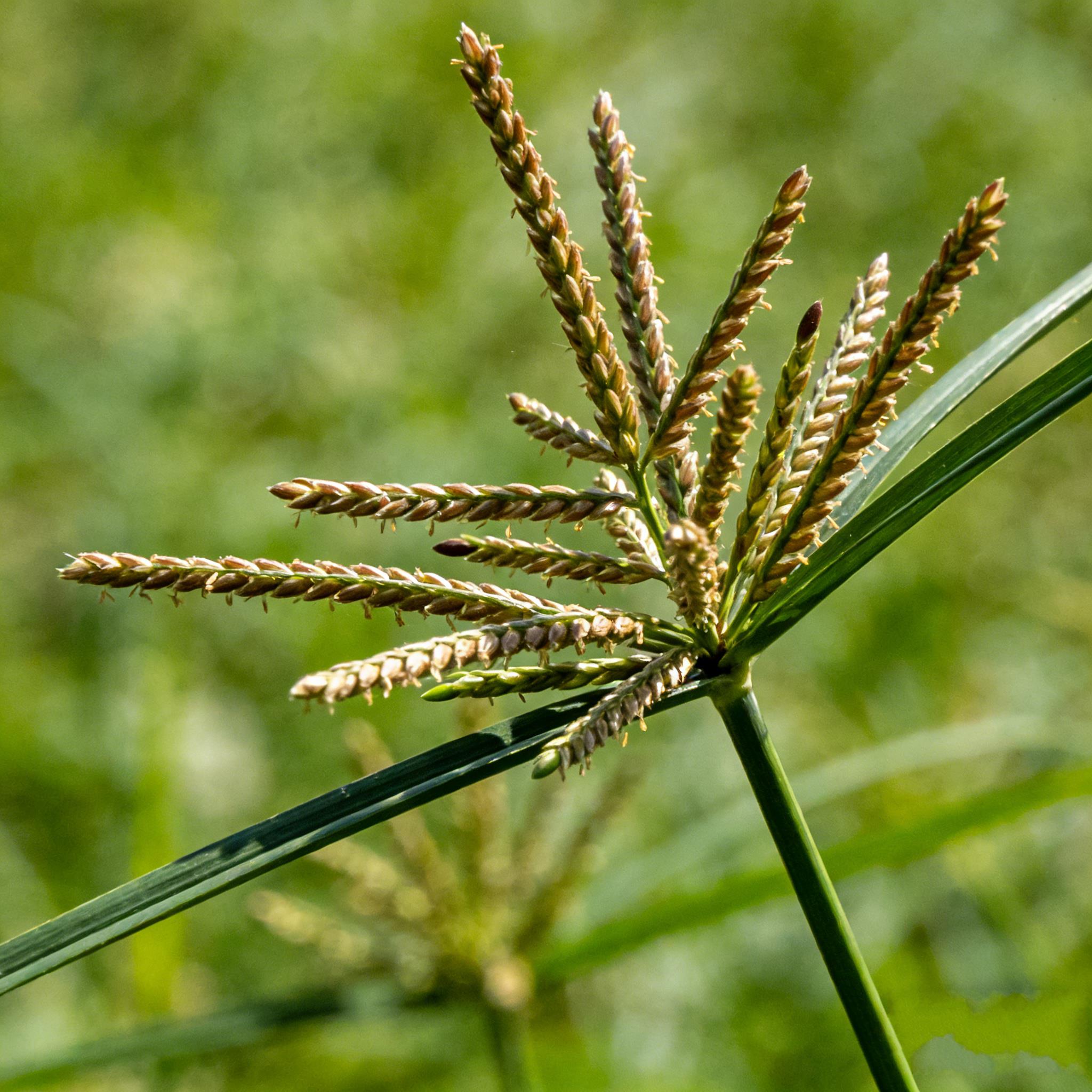
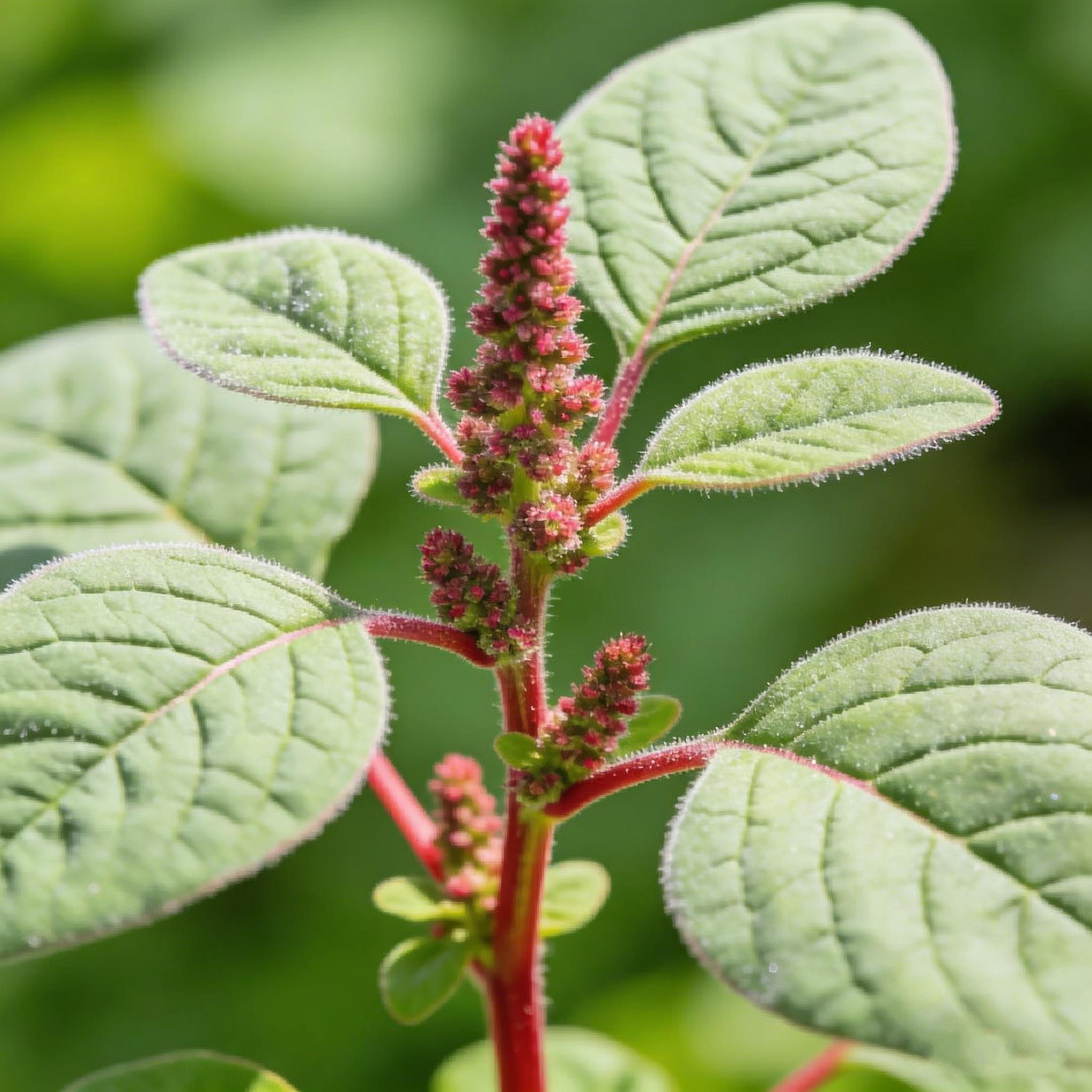
Key Usage Points
1. Critical Application Timing: Best results are achieved when applied post-sowing but pre-emergence (as a soil-sealing treatment)—specifically, before weeds emerge from the soil.
2. High Soil Moisture Requirement: Adequate soil moisture is essential to activate the herbicide’s efficacy; under drought conditions, effectiveness will diminish. Application in conjunction with rainfall or irrigation is recommended.
3. Judicious Dosage Control:Avoid excessive application—particularly in sandy soils or soils with low organic matter content—to prevent phytotoxicity (herbicide injury).
4. Impact of Soil Conditions:Dosage may require appropriate adjustment in soils with high organic matter content or in loose, friable soils.
5. Follow the recommended safety interval strictly, because the residual effects may impact certain subsequent crops.
6. Rotate or tank-mix this product with herbicides possessing different mechanisms of action to delay the development of weed resistance.
Packaging Display