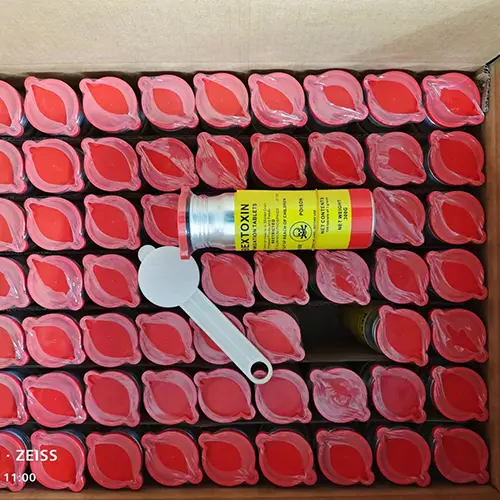
Emamectin Benzoate10%+Lufenuron 40% Wdg
Mode of action
Emamectin Benzoate works quickly after insects feed on treated leaves. It affects the insect’s body system, causing them to stop feeding, lose movement, and gradually die. Because pests stop eating soon after contact, crop damage can be reduced quickly.
Lufenuron works in a different way. It stops young insects from growing normally. When larvae try to develop into the next stage, they cannot complete the process and eventually die. This helps reduce the number of new pests in the field.
When these two ingredients are used together, they provide both fast control and longer protection. The first ingredient quickly reduces active pests, while the second prevents the next generation from developing, helping farmers manage pest populations more effectively and protect crop yield.
Suitable crops
Emamectin Benzoate and Lufenuron combination insecticide can be used on many important agricultural crops. It is widely applied in vegetables, such as cabbage, broccoli, cauliflower, tomato, and pepper. It is also suitable for field crops like cotton, maize, and rice, where caterpillar pests often cause serious damage.
In addition, the product can be used on fruit crops, including apple, citrus, and grapes, to protect leaves and fruits from feeding insects. It may also be applied on some bean and soybean crops where leaf-eating pests appear during the growing season.
Because it works on different stages of insects, this combination helps protect crops at various growth periods and reduces pest damage in many farming systems.
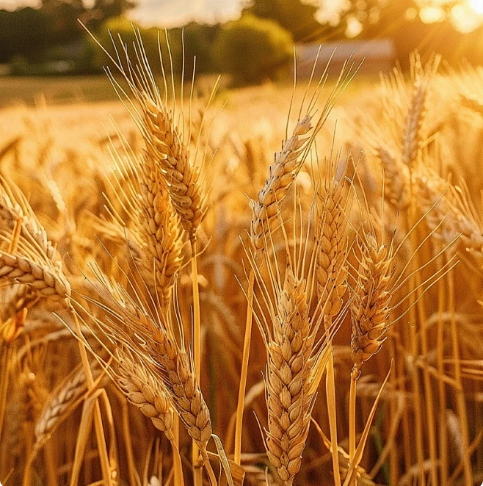

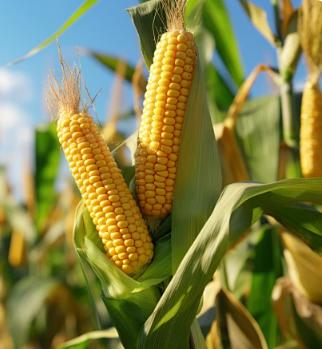
Targeted Insects
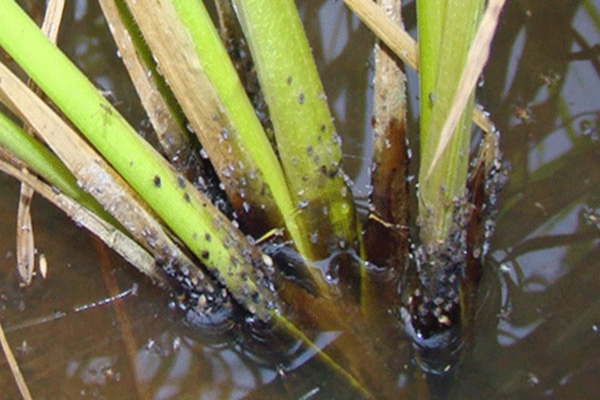
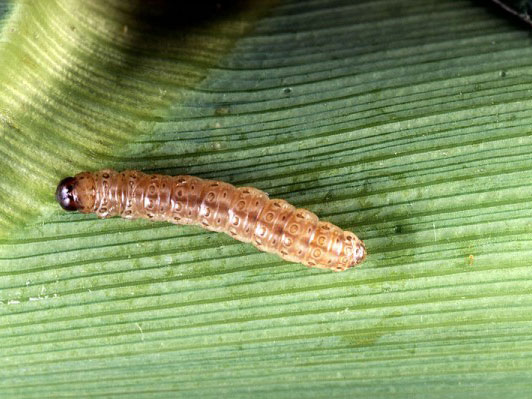
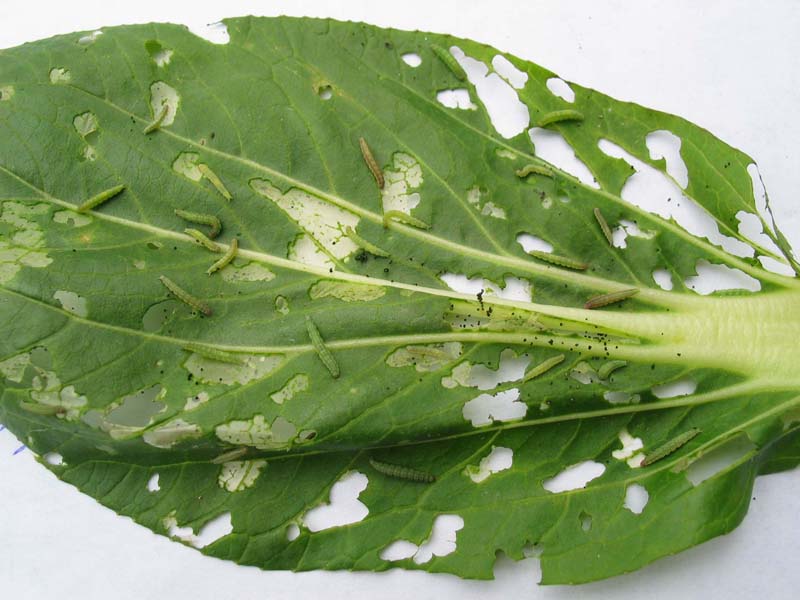
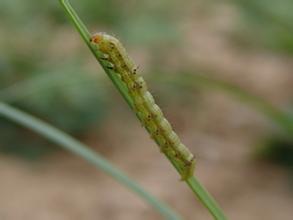
Emamectin Benzoate and Lufenuron combination insecticide is mainly used to control leaf-eating caterpillar pests that damage crops by feeding on leaves, flowers, and fruits. It is effective against many common agricultural pests, including cotton bollworm, diamondback moth, cabbage worm, beet armyworm, fall armyworm, and corn borer.
It can also help control spodoptera species, leaf-feeding caterpillars, and other similar pests that appear on vegetables, cotton, maize, and fruit crops. These insects often cause serious damage during the larval stage by eating large amounts of plant tissue.
By stopping pests from feeding and preventing young insects from developing normally, this combination helps reduce pest populations and protects crops from continuous damage during the growing season.
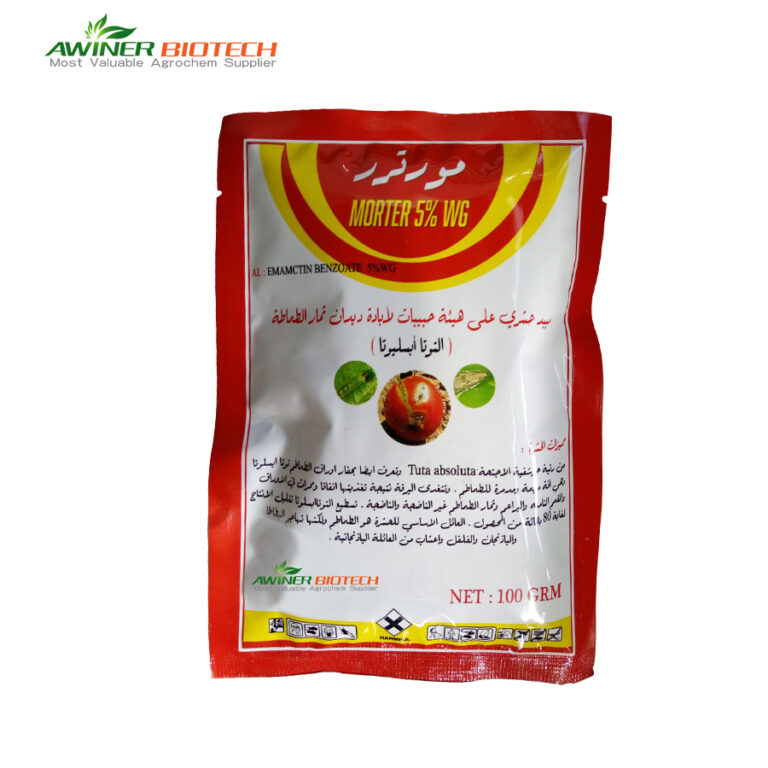
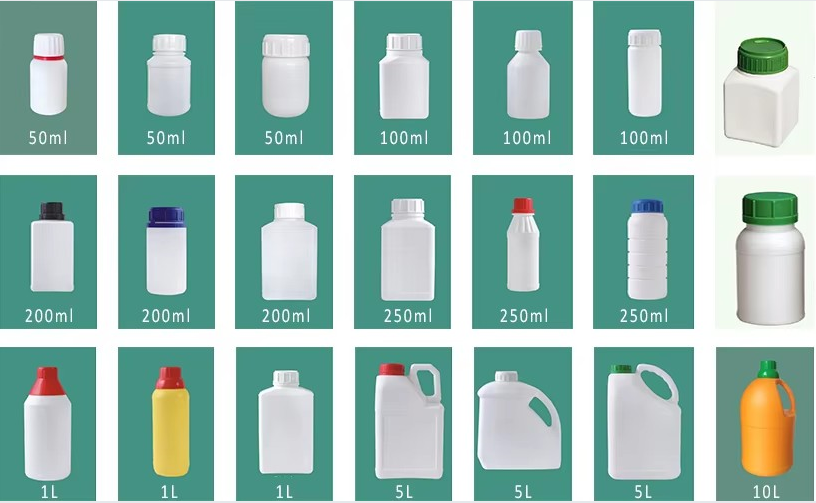
Packaging Display
Dosage reference
| Crop | Target Pests | Dosage (mL/ha) | Spray Volume(L/ha) |
| Vegetables (Cabbage, Cauliflower, Tomato, Chili, Eggplant) | Beet armyworm, Diamondback moth, Cabbage worm, Leaf-rolling caterpillars | 75–150 mL/ha | 3000–6000 L/ha |
| Cotton | Cotton bollworm, Spodoptera litura | 105–225 mL/ha | 3000–6000 L/ha |
| Maize | Corn borer, Spodoptera litura | 120–180 mL/ha | 3000–6000 L/ha |
| Rice | Rice leaf roller, Corn borer | 75–150 mL/ha | 3000–6000 L/ha |
| Fruit trees (Apple, Citrus, Grape) | Leaf-rolling caterpillars, Spodoptera litura | 150–225 mL/ha | 6000–9000 L/ha |
💡 Tips for Use:
1.Apply when pest larvae are active for best results.
2.Ensure uniform coverage of the leaves for effective contact and ingestion action.
3.Avoid consecutive applications of the same class of insecticide to prevent resistance.
As this product contains various dosage forms and concentrations, please consult the supplier for specific application methods. This table is for reference only.