Chlorantraniliprole100g/L+Thiamethoxam200g/L SC
1. Why Spraying Doesn’t Work Anymore?
Many growers face the same frustrating situation:You spray your crops, but after a few days, the damage appears again.Leaves are still being eaten.New pests show up quickly.And spraying becomes more frequent, increasing both cost and labor.So what’s going wrong?Chlorantraniliprole 100g/L + Thiamethoxam 200g/L SC will provide the answer.
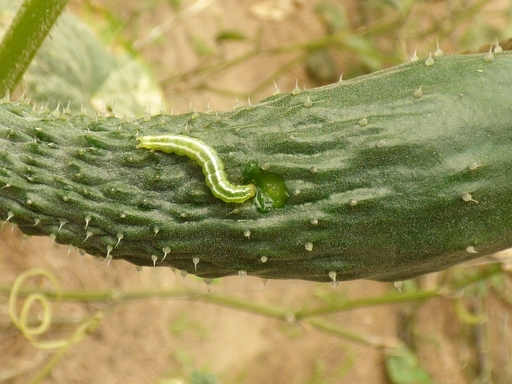
2. The True Culprits: Those Nocturnal Pests
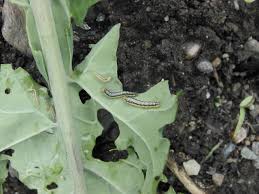
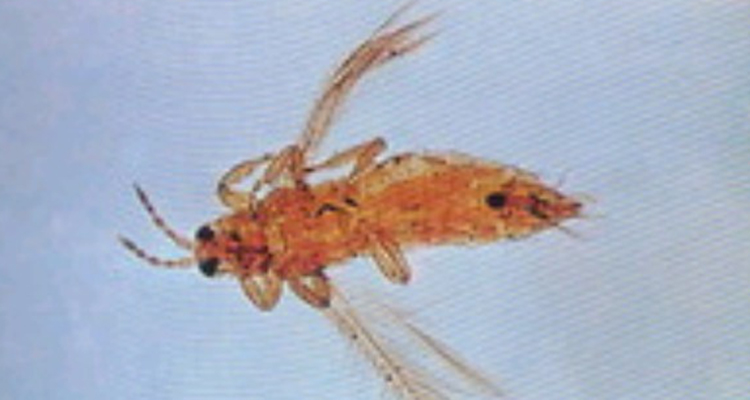
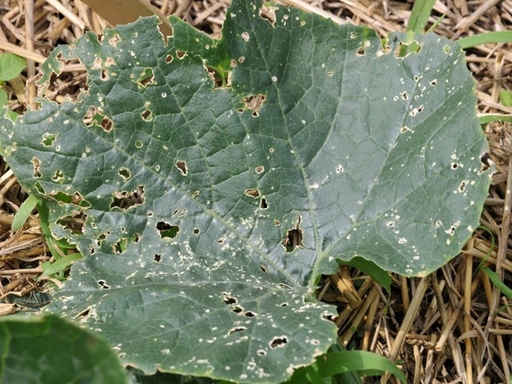
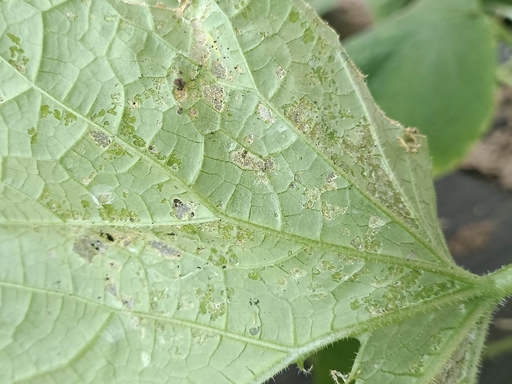
During the day, they lie dormant within the soil or beneath leaves to evade detection. These nocturnal pests fall primarily into two major categories. Chewing pests—including armyworm larvae, cutworms, and slugs—stealthily emerge after sunset to feed on foliage. They typically leave behind ragged holes and jagged notches in the leaves before burrowing back into their hiding places prior to dawn. Piercing-and-sucking pests—such as thrips, aphids, and whiteflies—though diminutive in size, possess equally astonishing destructive potential; they pierce the leaf surface to extract sap, causing yellow spots and curling edges to appear on the leaves, thereby weakening the entire plant.
The reason these pests are so destructive lies in their extremely rapid reproductive rates: a single female aphid can lay up to 80 eggs in just two weeks, meaning that what begins as a seemingly insignificant infestation can spiral rapidly out of control within a mere matter of days.
Most cucumber growers frequently fall victim to three common misconceptions: first, misdiagnosing pest-induced damage as a plant disease; second, applying insecticides during the day (when the pests are dormant, rendering the chemical treatments completely ineffective); and third, relying excessively on single-ingredient pesticide products—formulations that often target only one specific type of pest while leaving other species free to continue wreaking havoc on the crops. This frustrating and resource-wasting vicious cycle plagues many growers, leaving them feeling helpless in the face of this “invisible threat.”
3.The Game-Changing Solution: Chlorantraniliprole100g/L+Thiamethoxam200g/L SC
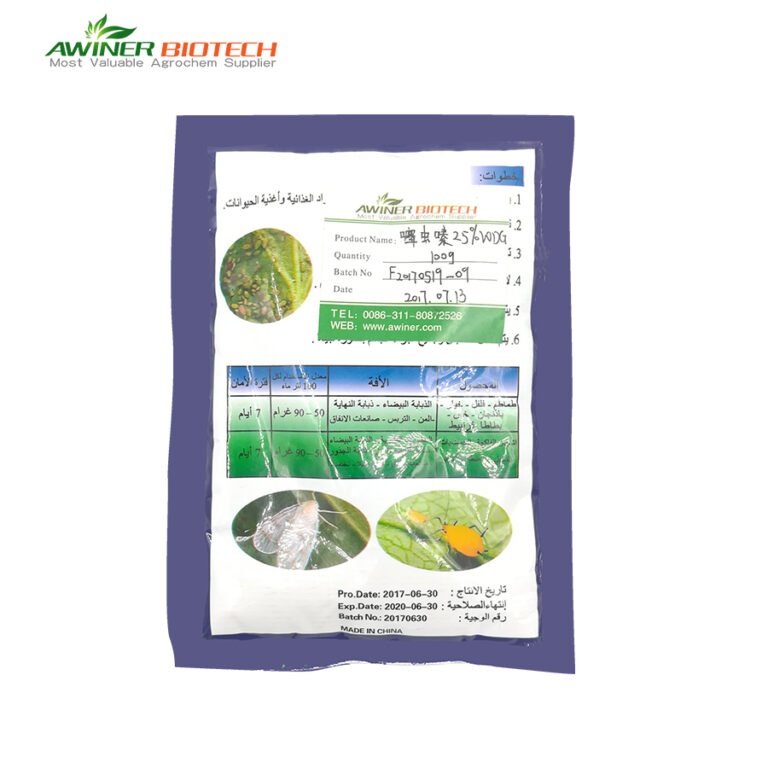
chlorantraniliprole-thiamethoxam-sc, combination of two powerful active ingredients that work in tandem to eliminate both chewers and suckers. Thiamethoxam, a systemic ingredient, is absorbed by the plant and lasts up to 40 days, effectively killing sucking pests like thrips and aphids. Chlorantraniliprole, meanwhile, paralyzes chewing pests instantly, stopping their feeding before they can cause further damage. This dual action not only eliminates existing infestations but also prevents new ones, all while reducing the risk of pests developing resistance—a common issue with single-ingredient products.
For farmers, the product’s ease of use is another major benefit. It’s simple to mix, safe for young seedlings, and low-residue, meaning he can harvest cucumbers safely soon after spraying. He sprays in the evening, after the heat of the day has passed, ensuring the product remains effective when nocturnal pests are most active.
4.How to Use the Product for Optimal Results
Simple, farmer-friendly tips for using Chlorantraniliprole 100g/L + Thiamethoxam 200g/L SC can help achieve the best results. It is recommended to spray early, as soon as plants develop their first true leaves, to prevent infestations before they start. If damage is already visible, spraying within 24 hours is advised to quickly stop pests.
The mixing ratio is straightforward: 4 to 7 ounces of the product per acre, mixed with at least 30 gallons of water. Focus on spraying the undersides of leaves—where sucking pests tend to hide—and the soil around plant bases, where chewing pests are commonly found.
For optimal effectiveness, spray in the evening and avoid application on rainy or windy days. Always wear protective gear such as gloves and a mask, and clean equipment thoroughly after use. In addition, do not mix with alkaline products, follow recommended harvest intervals to ensure safety, and avoid spraying when bees are active, as they play a vital role in pollination.
5. Where It Works Best
Suitable crops:Tomato、Pepper、Cucumber、Eggplant、Other high-value vegetables
Main target pests:Caterpillars、Aphids、Thrips、Whiteflies
These are the most common and economically damaging pests in vegetable production.
6.FAQ
Q1: Can this solution replace multiple insecticides?
In many cases, yes. It is designed to cover a wider range of pests, reducing the need for separate products.
Q2: Is it suitable for high-value vegetable crops?
Yes, especially for crops like tomato, pepper, and cucumber where pest pressure is high.
Q3: How soon can results be seen?
Results depend on pest type and conditions, but control is generally stable when applied early.
Q4: Does it help reduce labor costs?
Yes. Fewer spray applications and simpler programs mean less labor input.
Q5: Can it be used in resistance management programs?
Yes, when used as part of a rotation strategy, it helps maintain long-term effectiveness.